
Ratatouille is often a stovetop affair, simmered gently in a pot. But roasting it on a sheet pan turns the process into something more hands-off and deeply flavorful. I love the way the edges get crispy and caramelized, adding a smoky punch I didn’t expect from such simple ingredients.
This method lets the vegetables really shine, each piece getting a little char and concentrated sweetness. It’s a no-stir, no-fuss approach that’s perfect for busy nights when you want something hearty and fresh without fussing over a pan.
Plus, roasting makes clean-up a breeze—just a single sheet pan, no sticky stovetop to scrub. It’s a kind of cooking that feels almost lazy but delivers a surprising depth of flavor. And honestly, it’s become my go-to way to make ratatouille feel special, even on a weeknight.
The Unusual Joy of Roasting Vegetables for a No-Fuss, Flavor-Boosted Ratatouille
Why This Dish Matters to Me
- I love how simple ingredients can transform with just a little heat.
- Roasting vegetables makes me feel like I’ve cheated the system—so little effort, so much flavor.
- There’s a nostalgic joy in seeing colorful, fresh produce turn into something smoky and savory.
- I often make a big batch and enjoy leftovers for days, each time discovering new flavors.
The Inspiration Behind This Roasted Ratatouille
- I first tried roasting ratatouille vegetables at a summer cookout, and the smoky edges blew me away.
- Since then, I’ve been tweaking the method—less stirring, more roasting—until I found this perfect balance.
- It’s become my fallback for busy nights, turning simple vegetables into a hearty, flavorful meal.
A Brief History and Fun Facts about Ratatouille
- Ratatouille originated in Provence, France, and traditionally involves stovetop simmering.
- The name comes from the French word ‘touiller,’ meaning ‘to toss’ or ‘stir up,’ highlighting the rustic nature.
- Roasting vegetables for flavor is a technique that dates back centuries, using direct heat to enhance sweetness.
- Modern chefs love roasting for its hands-off approach and deep flavor development.
Ingredient Insights and Tweaks
- Zucchini: First, it releases a lot of moisture. Keep an eye out for that juicy, soft texture.
- Eggplant: It absorbs oil and becomes silky. Salt it first to draw bitterness, then rinse.
- Bell Peppers: Roasting intensifies their sweetness and smoky flavor. Use colorful varieties for visual pop.
- Tomatoes: They become jammy and rich, adding depth to every bite.
- Garlic: It turns sweet and fragrant, spreading aroma through the oven. Roast whole or minced, adjust timing.
Spotlight on Tomatoes and Eggplant
Tomatoes:
- Their juicy, bright flavor intensifies with roasting. Watch for burst skins and caramelized edges.
- Eggplant: It turns velvety and smoky, soaking up flavors. Look for soft flesh and a deep purple hue.
Eggplant:
- The skin should be shiny and taut, not wrinkled. It becomes creamy and rich when roasted.
- Eggplant also absorbs flavors well, making it a perfect sponge for seasonings.
Substitutions for What You Have on Hand
- Feta or goat cheese: Crumble on top post-roast for creamy tang.
- Herbs: Use fresh basil or parsley if thyme isn’t available.
- Oil: Swap with avocado oil for a milder, buttery flavor.
- Vinegar: Splash in balsamic or sherry vinegar for extra depth.
- Vegetables: Substitute zucchini with yellow squash or carrots for variety.
Equipment & Tools
- Large rimmed baking sheet: To roast the vegetables evenly and prevent spills.
- Sharp knife: To cut vegetables uniformly.
- Mixing bowl: To toss vegetables with oil and seasonings.
- Parchment paper or silicone baking mat: Prevent sticking and easy cleanup.
- Serving spoon or spatula: To toss and serve the roasted vegetables.
How to Roast Your Vegetables for Perfect Ratatouille
- Preheat your oven to 200°C (400°F). Use a large rimmed baking sheet, ideally with a non-stick surface or lined with parchment.
- Cut your vegetables—zucchini, eggplant, bell peppers, and tomatoes—into roughly 1-inch pieces. Keep sizes uniform for even cooking.
- Toss the vegetables with olive oil, minced garlic, salt, pepper, and a pinch of thyme or oregano. Spread evenly on the sheet.
- Roast for 30-35 minutes, stirring halfway through. The edges should be golden and slightly charred.
- Check for doneness: vegetables should be tender, edges caramelized, and fragrant.
- Finish with fresh herbs and a drizzle of olive oil. Serve hot, with crusty bread or over grains.
Let the ratatouille sit for 5 minutes after roasting. Finish with herbs and a splash of olive oil before serving.
How to Know It’s Done
- Vegetables are tender and caramelized around the edges.
- A deep, roasted aroma with smoky hints.
- Vegetables hold their shape but are soft enough to mash slightly.
Roasted Ratatouille
Ingredients
Equipment
Method
- Preheat your oven to 200°C (400°F). Line a large rimmed baking sheet with parchment paper or a silicone baking mat for easy cleanup.
- Prepare your vegetables by cutting zucchini, eggplant, bell peppers, and tomatoes into roughly 1-inch pieces. Keep the sizes uniform so they roast evenly.
- In a mixing bowl, toss the chopped vegetables with 2 tablespoons of olive oil, minced garlic, dried thyme, salt, and pepper until everything is evenly coated.
- Spread the seasoned vegetables in a single layer on the prepared baking sheet, making sure not to overcrowd them. This helps them roast rather than steam.
- Place the sheet in the oven and roast for about 30-35 minutes. Halfway through, stir the vegetables gently to promote even caramelization and prevent sticking.
- Check for doneness: the vegetables should be tender, with edges beautifully caramelized and slightly charred, emitting a fragrant, smoky aroma.
- Remove the sheet from the oven and transfer the roasted vegetables to a serving bowl or platter.
- Finish by sprinkling chopped fresh herbs like basil or parsley over the top, and drizzle with a little extra olive oil if desired.
- Serve hot as a main or side dish, perhaps alongside crusty bread or over grains for a hearty meal.
Notes
Tips and Tricks for Perfect Roasting
- Use a high-quality olive oil for better caramelization.
- Cut vegetables uniformly for even roasting.
- Spread vegetables in a single layer—crowding causes steaming, not roasting.
- Add garlic later in the roasting process to prevent burning.
- Finish with a splash of vinegar or lemon to brighten flavors.
- Use a convection setting if available for more even browning.
- Check the edges for a deep amber color, not burnt.
Common Mistakes and How to Fix Them
- FORGOT to toss halfway? Shake the pan or stir quickly to prevent burning.
- DUMPED too much oil? Blot with paper towels and roast at a slightly lower temp.
- OVER-TORCHED edges? Reduce oven heat slightly and cover with foil if needed.
- MISSED the seasoning? Finish with a squeeze of lemon or a sprinkle of fresh herbs.
Quick Fixes for Common Roasting Woes
- When vegetables stick, splash a little water or broth to loosen.
- If too oily, blot with paper towels before serving.
- Patch over burnt edges with fresh herbs and lemon zest.
- Shield with foil if edges brown too quickly.
- If undercooked, roast a few more minutes until tender.
Make-Ahead and Storage Tips
- Chop vegetables a day ahead and store in airtight containers in the fridge.
- Roasted ratatouille keeps well for up to 3 days in the fridge.
- Reheat in the oven at 180°C (350°F) until just warmed through, about 10 minutes.
- The flavors deepen after a day or two, making it even more delicious.
10 Practical Q&As About Sheet Pan Ratatouille
1. Why a sheet pan for ratatouille?
Use a large, rimmed baking sheet to give everything space to roast evenly and avoid sogginess.
2. How should I prepare the veggies?
Cut the vegetables into uniform pieces, about 1 inch, so they cook evenly and look pretty.
3. What’s the perfect roasting time?
Roast at 200°C (400°F) for about 30-35 minutes until caramelized and tender.
4. When should I toss the vegetables?
Toss the vegetables halfway through to keep them from sticking and to promote even charring.
5. How do I finish the dish?
Finish with fresh herbs and a splash of good olive oil for brightness.
6. What’s the best way to serve it?
Serve hot, straight from the oven, with crusty bread or over rice.
7. Can I use different vegetables?
Use colorful heirloom or organic vegetables for the best flavor and visual appeal.
8. How long does it last?
Store leftovers in an airtight container for up to 3 days, reheat in oven or microwave.
9. What’s the key to flavor?
The caramelization and smoky edges are what make this dish special; don’t rush the roasting.
10. Should I season after roasting?
Adjust seasoning after roasting, taste for salt and acidity, add a squeeze of lemon if needed.
This sheet pan ratatouille isn’t just about ease; it’s about celebrating the natural flavors of summer vegetables. The roasting process amplifies their sweetness and adds a smoky layer that’s hard to beat.
It’s one of those dishes that feels like a little celebration of the season. No fuss, no complicated steps—just pure, roasted vegetable goodness. Perfect for a quick dinner or a casual lunch with friends.
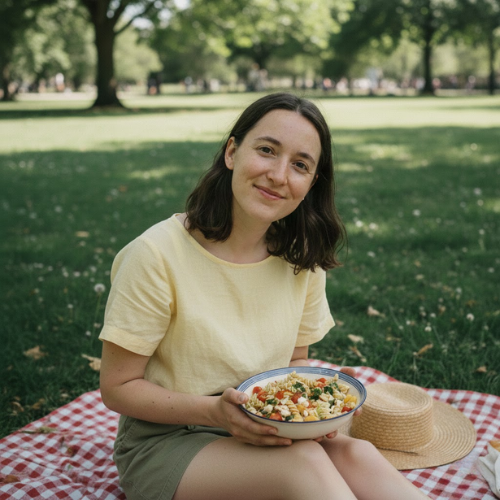
Hi, I’m Madison Greene, the creator behind Texture Obsessed. If you have ever fallen in love with the crunch of a perfectly toasted crust, the silkiness of a smooth custard, or the contrast between crispy and creamy in a single bite, then you already understand what inspires me.