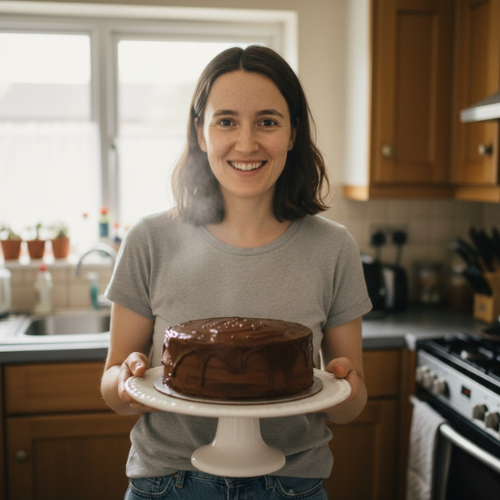
Making homemade peanut butter cups is like reconnecting with an old friend. You get to control the sweetness, the chocolate depth, and even add a pinch of sea salt or a dash of vanilla if you like. It’s simple, honest work, but the reward is a little moment of joy wrapped in chocolate and peanut butter.
This isn’t about perfect, glossy store-bought looks. It’s about the messy, satisfying process—melting, pouring, tasting. Each step is a small act of love, and the smell of melting chocolate fills your kitchen with a cozy, warm aroma that makes everything feel just right.
A nostalgic trip back to childhood, but with a grown-up, more complex chocolate and peanut flavor profile, emphasizing the sensory experience of making and eating them.
Why This Recipe Matters to Me
- Making these takes me back to childhood afternoons.
- I love customizing flavors—adding a pinch of sea salt or a splash of vanilla.
- There’s a satisfying mess involved, which makes the final taste even sweeter.
- Sharing these with friends feels like passing on a small piece of happiness.
The story behind my peanut butter cups
- I wanted a recipe that’s forgiving and adaptable, perfect for lazy weekends.
- The idea was to recreate that nostalgic, chocolatey peanut butter hit, but with a personal touch.
- It all started with a single, messy experiment that turned out better than expected.
A brief history and fun facts about peanut butter cups
- Peanut butter cups were popularized in the 1970s by the Reese’s company, but the concept has roots in much older confections.
- The combination of chocolate and peanut butter is a classic American pairing, often associated with comfort and nostalgia.
- Homemade versions let you skip preservatives, additives, and excessive sugar found in commercial kinds.
- Using dark chocolate can make the flavor more sophisticated, while milk chocolate keeps it sweet and mild.
Breaking down the key ingredients
- Chocolate: I prefer a mix of dark and milk for balance. It’s rich, but not overly bitter.
- Peanut Butter: Smooth, natural, with a touch of salt. Skip overly processed types for better flavor.
- Sweetener: A little honey or maple syrup can add depth, but I stick to classic sugar.
- Salt: A pinch enhances everything, making flavors pop.
- Vanilla: Just a splash to round out the sweetness and add warmth.
Focus on the chocolate and peanut butter
Chocolate:
- It melts smoothly, giving that glossy finish. Watch for scorching—keep heat low.
- It’s the star of the show, so quality matters.
Peanut Butter:
- Creamy and oozy when warm, it’s the core flavor. Stir well to avoid oil separation.
- Room temp or slightly warmed makes spreading easier.
Substitutions for dietary needs and flavor tweaks
- Dairy-Free: Use coconut or almond milk chocolate for a creamy, dairy-free alternative.
- Sugar-Free: Opt for sugar-free chocolate and natural peanut butter without added sugars.
- Vegan: Choose vegan chocolate and check peanut butter labels for animal products.
- Nut Allergies: Substitute with seed butters like sunflower or tahini.
- Sweetener: Replace sugar with coconut sugar or erythritol for a lower glycemic index.
Equipment & Tools
- Double boiler or microwave: To melt chocolate gently without scorching.
- Silicone molds or cupcake liners: To shape and hold the cups.
- Small spatula or spoon: To spread chocolate evenly.
- Cooling rack or tray: To cool the cups evenly.
Step-by-step guide to homemade peanut butter cups
- Line a muffin tin with paper liners or silicone molds.
- Melt the chocolate: use a double boiler or microwave at 50°C (122°F), stirring until smooth, about 2 minutes.
- Spoon a small amount of melted chocolate into each mold, enough to cover the bottom. Tap gently to settle.
- Chill the mold in the fridge for 5 minutes until the chocolate is just set.
- Scoop or dollop a teaspoon of peanut butter on top of the chocolate layer.
- Cover the peanut butter with more melted chocolate, ensuring it’s sealed and smooths out.
- Chill in the fridge for at least 30 minutes until fully firm.
- Remove from molds carefully, using a small knife or your fingers to loosen.
- Store in an airtight container in the fridge for up to 2 weeks.
- Enjoy straight from the fridge or let them sit at room temperature for a few minutes for softer bites.
Chill until fully set, about 30-60 minutes. Remove carefully, then store in a cool, dry place or fridge.
How to Know It’s Done
- Chocolate is smooth and glossy, not streaky or grainy.
- Peanut butter layer is fully covered with chocolate.
- Cups are firm and snap when gently pressed.
Homemade Peanut Butter Cups
Ingredients
Equipment
Method
- Line a muffin tin with paper liners or silicone molds to prepare for pouring.
- Gently melt the chocolate using a double boiler or microwave, heating in short bursts and stirring until smooth and glossy. This should take about 2 minutes in the microwave or a few minutes over gentle heat.
- Spoon a small amount of melted chocolate into each mold, just enough to cover the bottom. Tap the tray gently on the counter to level the chocolate and remove air bubbles.
- Place the mold in the fridge for about 5 minutes until the chocolate is just set but not completely hard.
- Mix the peanut butter with honey or maple syrup, sea salt, and vanilla until smooth and creamy. Slightly warming the peanut butter makes it easier to spread.
- Drop a teaspoon of peanut butter on top of the chilled chocolate layer, then gently press it down to spread evenly without breaking the chocolate.
- Cover the peanut butter with more melted chocolate, smoothing the surface with a spatula or the back of a spoon to seal the filling.
- Chill the assembled cups in the fridge for at least 30 minutes until fully firm and glossy.
- Carefully remove the peanut butter cups from the molds, gently peeling away the liners or silicone.
- Store the peanut butter cups in an airtight container in the fridge for up to 2 weeks, or keep them in the freezer for longer storage.
- Enjoy directly from the fridge for a firm bite, or let them sit at room temperature for a few minutes for a softer, melt-in-your-mouth experience.
Tips and tricks for perfect peanut butter cups
- MELTING: Use gentle heat and stir often to avoid seizing.
- SPREAD: Use the back of a spoon or a small spatula for even coatings.
- COOLING: Chill in layers to prevent cracking and ensure crisp texture.
- PEANUT BUTTER: Slightly warm or soften for easier spreading.
- FLAVOR BOOST: Add a pinch of sea salt or a splash of vanilla for depth.
Common mistakes and how to fix them
- FORGOT TO CHILL? → Chill the chocolate longer or re-melt briefly to fix soft cups.
- DUMPED TOO MUCH CHOCOLATE? → Use a smaller spoon or a pastry bag for precise layering.
- OVER-TORCHED CHOCOLATE? → Add a teaspoon of oil and stir until smooth.
- CUPS STICKING TO MOULD? → Lightly oil or use silicone molds for easy release.
Quick fixes for common issues
- When chocolate cracks, re-melt with a splash of oil to smooth out.
- Splash some warm water on the bottom of the mold if chocolate is too thick.
- Patch up cracks with a tiny dab of melted chocolate.
- Shield melting chocolate from drafts to prevent seizing.
- When in doubt, refrigerate longer to ensure firmness.
Making ahead and storage tips
- Prepare and fill molds up to 2 days in advance. Keep in fridge for best texture.
- Store in an airtight container in the fridge for up to 2 weeks, or freeze for 3 months.
- Flavors deepen over time, but texture may soften in the fridge.
- Reheat briefly in microwave (10 seconds) to soften the chocolate slightly—watch for shine and gloss.
10 Practical Q&As About Making Peanut Butter Cups at Home
1. Can I use different types of chocolate?
Use good quality chocolate and natural peanut butter for the best flavor. Keep everything at room temp before starting.
2. What peanut butter is best?
Yes, dark or milk chocolate works fine. Dark gives a richer, more intense flavor; milk is sweeter and creamier.
3. How do I melt the chocolate without burning it?
Natural, unsweetened peanut butter with some oil on top melds well. Avoid overly chunky types if you want smooth cups.
4. What if my chocolate seizes?
Use a double boiler or microwave in short bursts, stirring often. Keep the heat gentle, around 50°C (122°F).
5. How thick should the chocolate layer be?
Add a teaspoon of vegetable oil or shortening, stir gently, and it should loosen up.
6. Can I make these vegan?
Just enough to cover the peanut butter in a thin, even layer—about 3-4 mm thick.
7. How long do they last in the fridge?
Yes, use dairy-free chocolate and vegan-friendly peanut butter. Many dark chocolates are vegan.
8. Can I freeze them?
Up to 2 weeks if stored in an airtight container, but best enjoyed within a week for freshness.
9. What’s the best way to serve?
Absolutely. Wrap tightly and freeze for up to 3 months. Thaw at room temp for a few minutes before eating.
10. Any tips for making them prettier?
Chill until firm, then serve directly from the fridge or at room temp for softer texture.
Once you’ve made your own peanut butter cups, it’s hard to go back to store-bought. The texture, the flavor—nothing beats that fresh, homemade feel. Plus, you can tweak the ingredients to make them just how you like.
Whether you keep them for yourself or share them with friends, these cups are a reminder that good things come from simple ingredients and a little patience. They’re perfect for a quick treat or a gift that feels personal and thoughtful.

Hi, I’m Madison Greene, the creator behind Texture Obsessed. If you have ever fallen in love with the crunch of a perfectly toasted crust, the silkiness of a smooth custard, or the contrast between crispy and creamy in a single bite, then you already understand what inspires me.